The Quiet Life
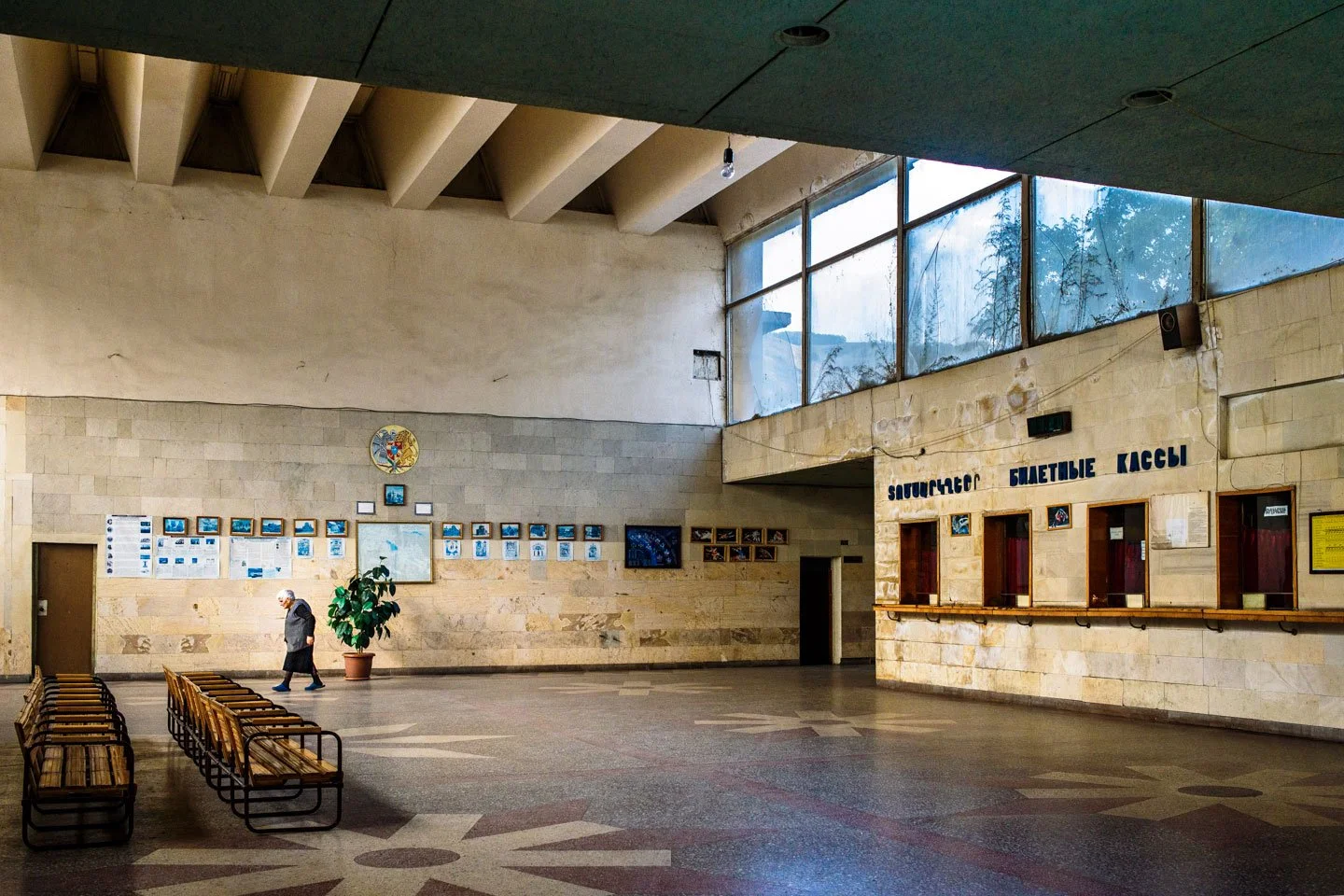
Vanadzor, Armenia
An elderly Armenian woman walks slowly and alone through this grand and empty Soviet-era bus station―an eerily emblematic scene of modern-day Armenia.
Today, 30 years after the demise of the USSR, the modernist Soviet-era architecture still defines the landscapes of most Armenian cities―geometric, utilitarian structures that stand like monuments to the populations meant to inhabit them.
But after 70 years of Soviet rule following the Armenian genocide of World War 1, there are now fewer than 3 million Armenians living in their homeland, over a million of whom live in the nation’s capital, Yerevan. In other cities and towns throughout the country, like the city of Vanadzor where this photograph is taken, the population is half of what it was in 1976 when the construction of this bus station was completed.
Today there are over 11 million Armenians living world-wide. Less than a quarter of them live inside their homeland.
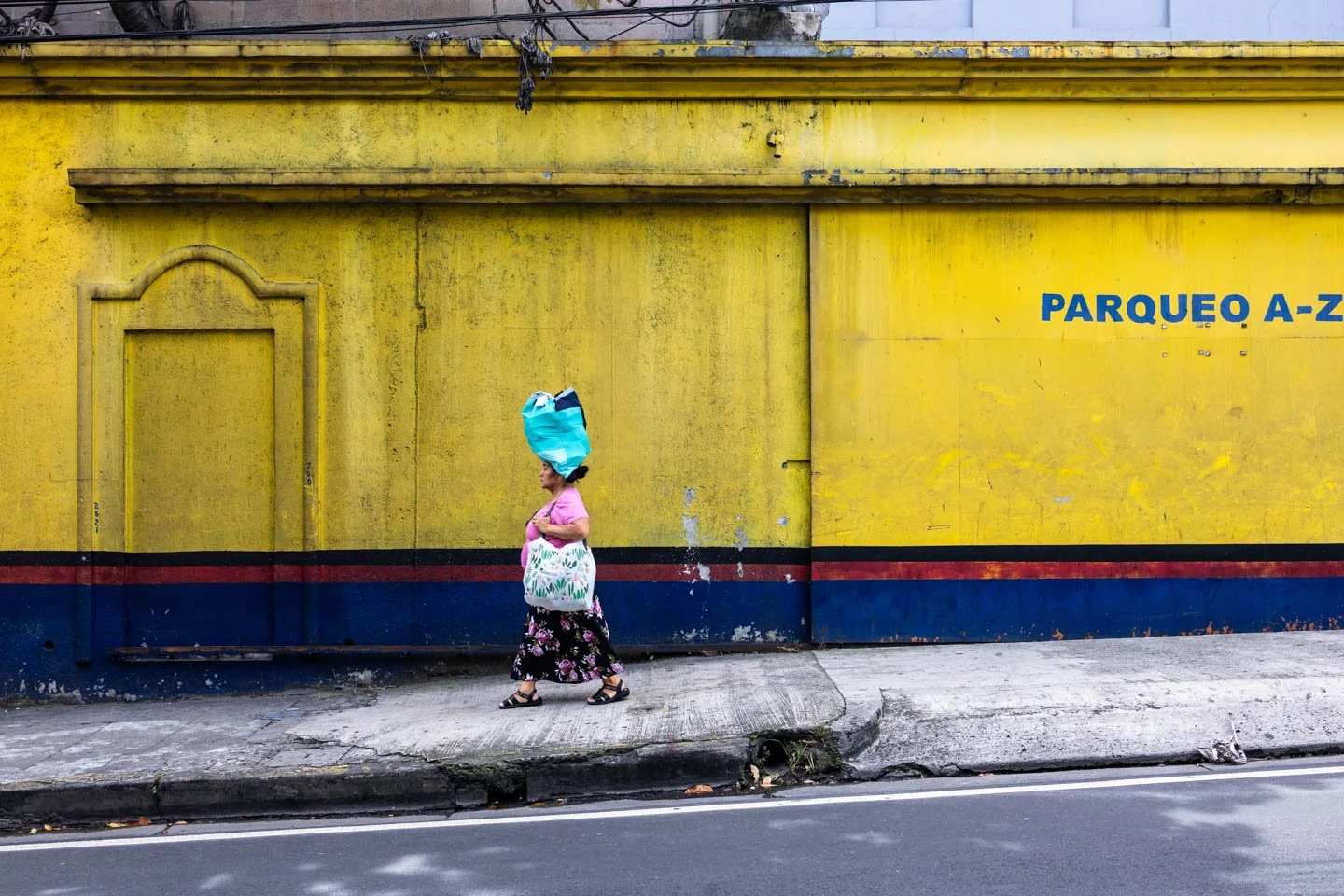
San Salvador, El Salvador

Saigon, Vietnam
All the streets of Saigon are lined with trees. Not just in quiet laneways like this one, but along heavy traffic throughways — towering, majestic trees rise up from beneath heavy slabs of concrete otherwise thick enough to bury civilizations, including this one. Everybody knows it. Not a single person in this city takes any of them for granted. Not one person, and not one tree.

Kowloon, Hong Kong
This elderly woman is sitting in the entryway to the Kowloon City Market. Originally built in the 1930s and rebuilt in the 80s, it shares the same building design as the other seventy-odd government-run markets in the city: two floors of independent food vendors and an open concept third floor of cooked food stalls that serve everyday meals at affordable prices. It’s where this woman would have just had lunch as she probably does on the days she shops here, sharing a table with old friends who all do the same.
She’s in her eighties now. For her and elders like her, no matter where in the city they have lived, they’ve all been coming to food markets like this one. What were once uneventful daily errands have now become coveted opportunities for a feast of friends. Unbeknownst to the city’s youth, these markets will forever be the quintessential Hong Kong that just keeps getting better.
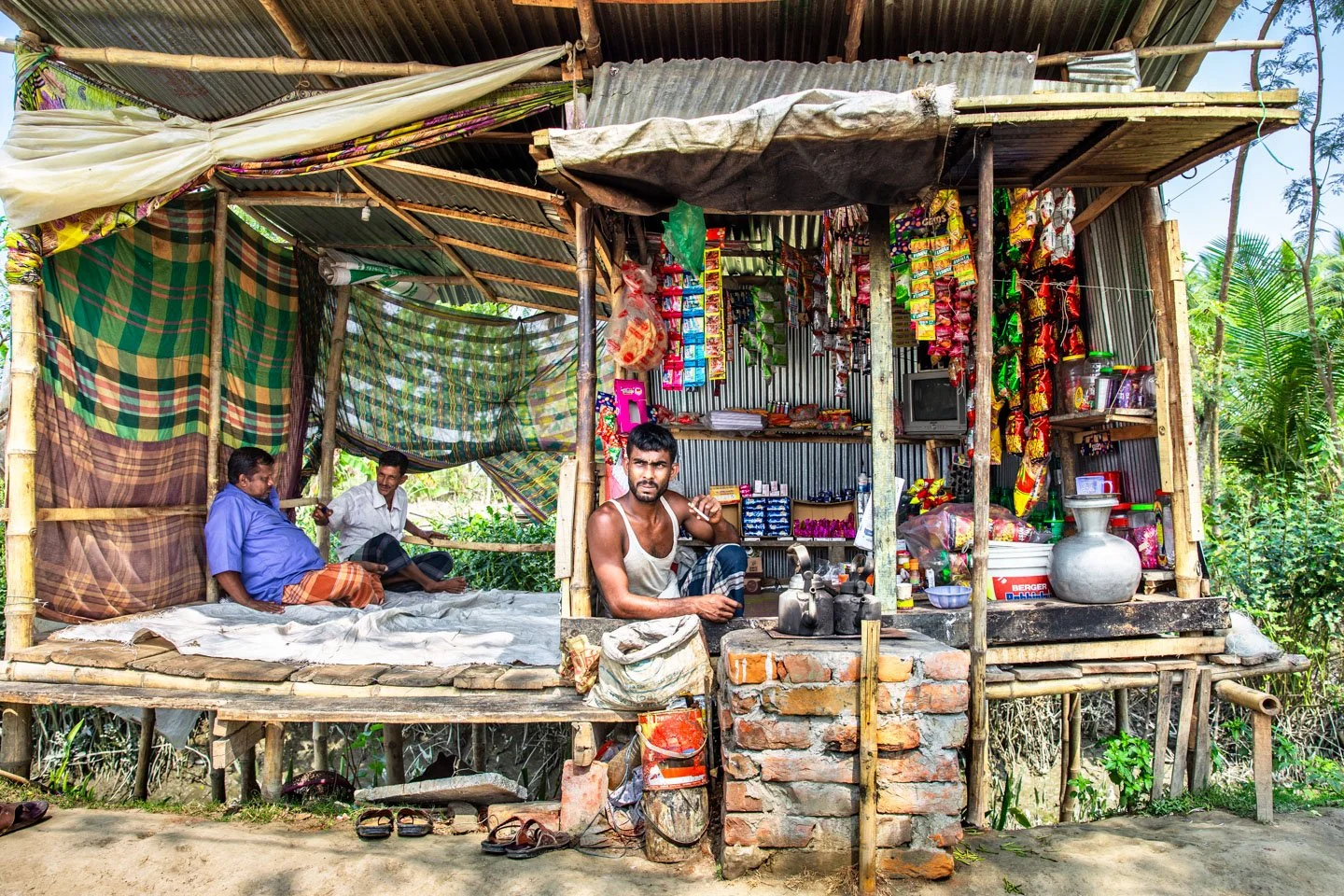
The Village of Shulpur, Bangladesh
The quiet life still exists here in Bangladesh, and you don’t have to go far outside the major cities to find it. While the country has been booming with development for the past decade, most of the small villages and rural districts have been left virtually untouched. The village of Shulpur is one of them, resting comfortably on the other side of the Rupsa River just outside the city of Khulna.
But change is coming. For better or for worse and probably for both. Change is coming and it will come here. When it does, for the people who regularly visit this take-a-load-off-your-feet-and-stay-a-while tea stand, it will probably break their hearts.
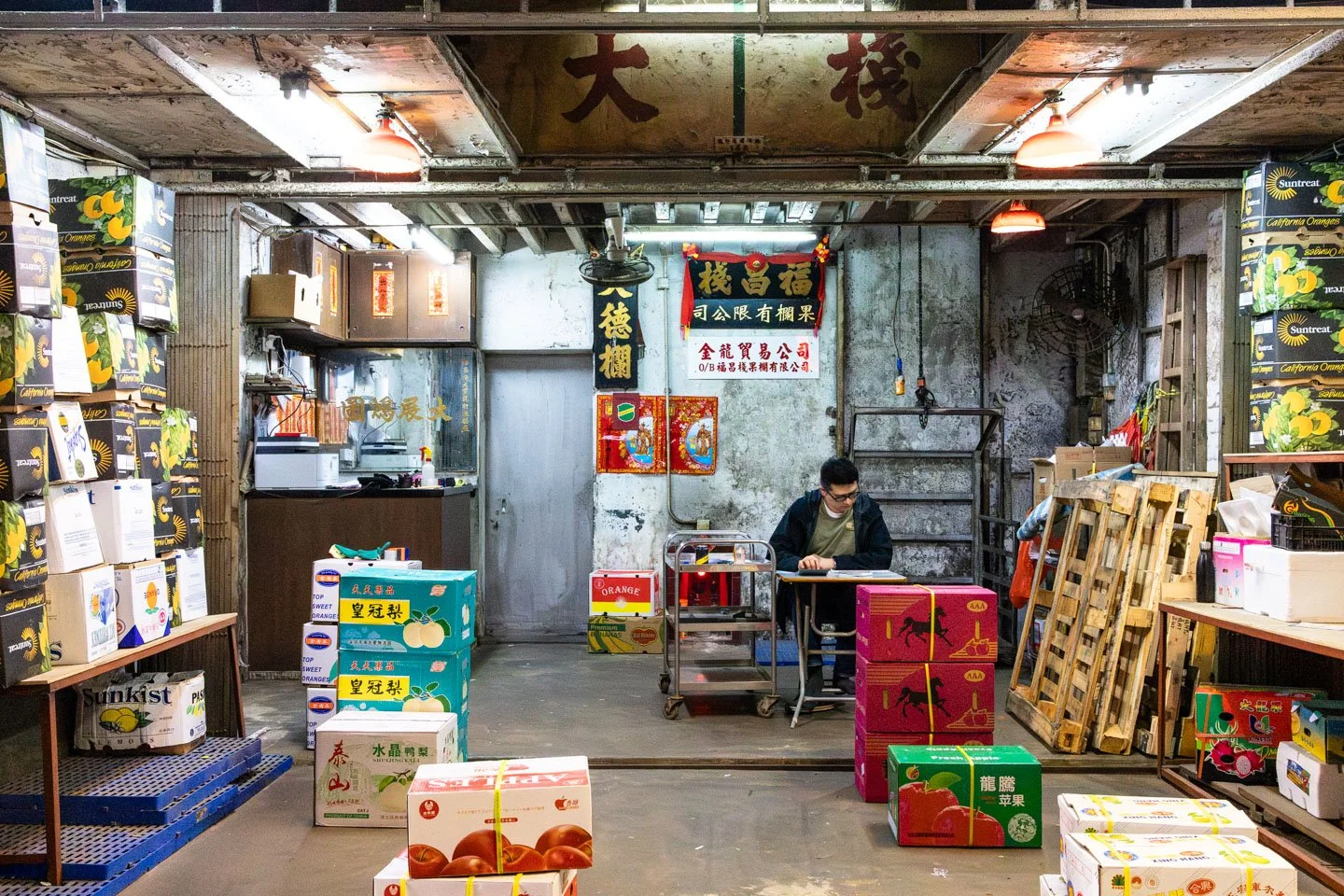
Yau Ma Tei, Hong Kong
The Everyday of Life is a photography project by Canadian photographer, Annie Tong. The photographs are from around the world and celebrates our ordinary, everyday and very different lives.
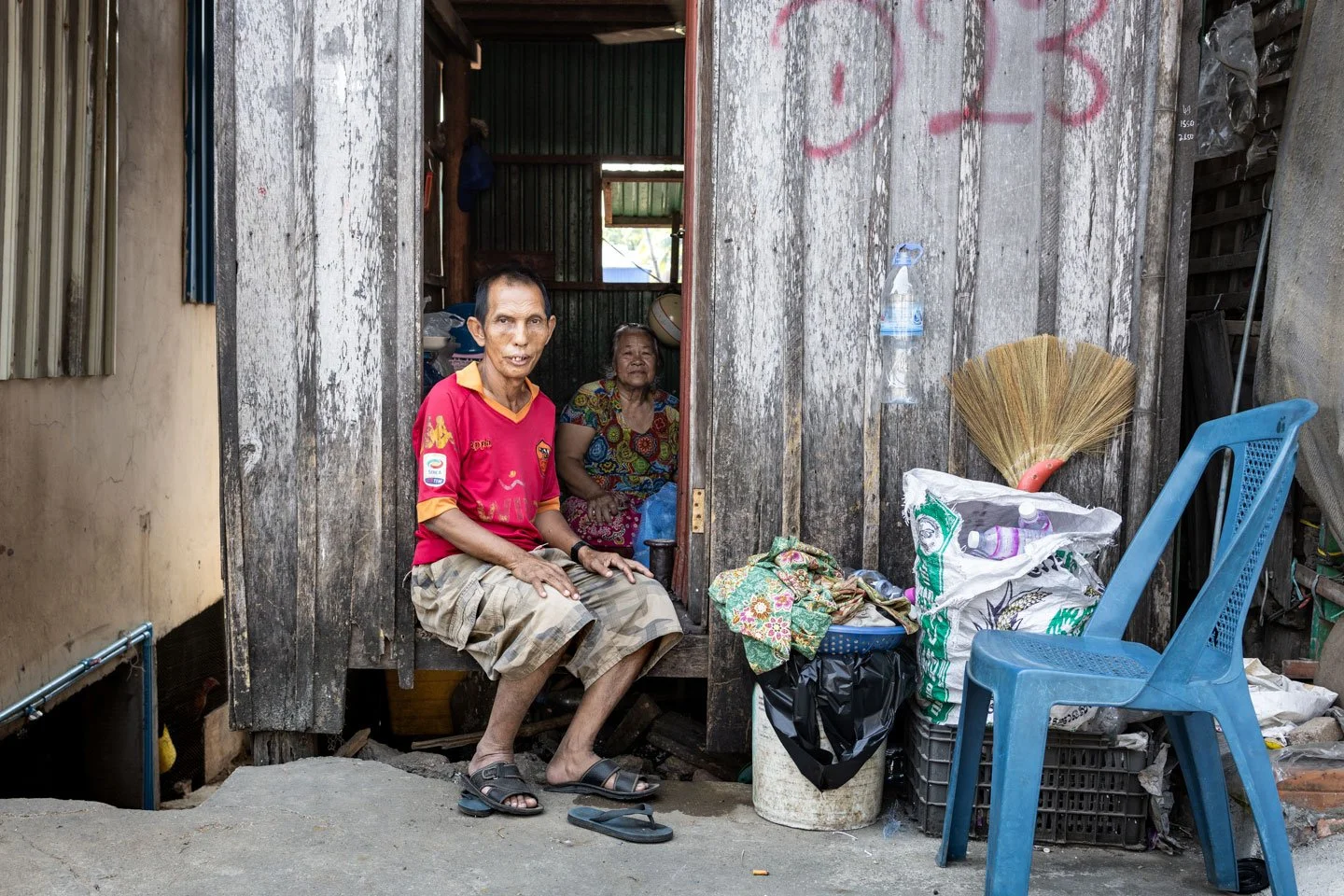
Prek Ta Pov Village, Cambodia
The riverside homes of the Prek Ta Pov fishing village stretch along the north bank of the river for about a kilometer. They are suspended on stilts and layered three or four homes deep as they descend closer to the water. The walking path between them is made from wooden planks that wind their way down to the docks and connect the neighbourhood of homes together like a puzzle.
But there are pieces missing. A year ago the river bank eroded away from beneath a dozen family homes not far from this one. The road crumbled and stilts collapsed beneath the homes that now lay toppled together at the water’s edge. Tree branches still lay in a circle to cordon off the area that will unlikely be repaired.
As fishing villages go, this is as close-knit and peaceful a place as any village you’ll find in south east Asia, except for the fact that everyone here is now living on edge. Time is running out for Prek Ta Pov and everybody knows it.
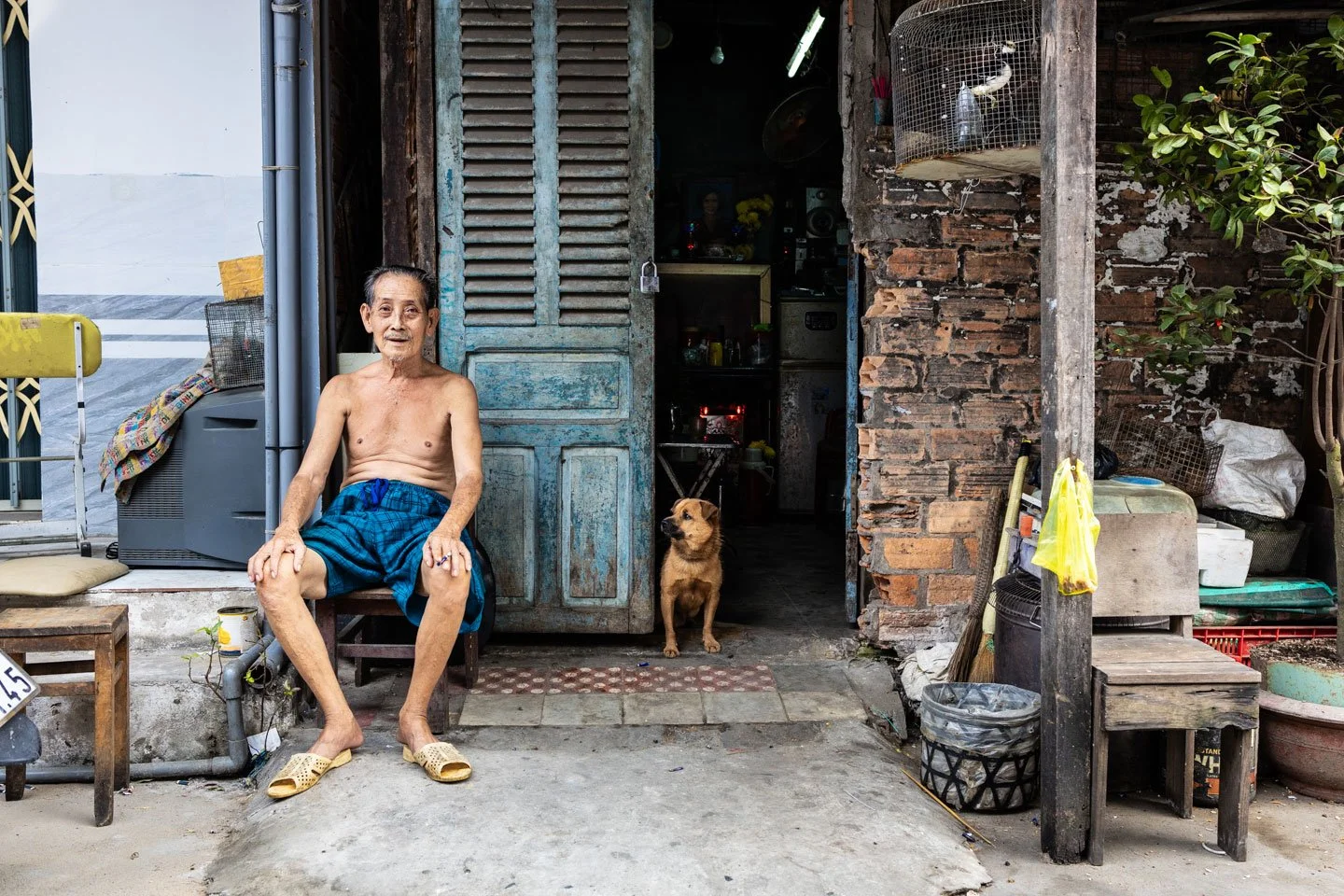
Can Tho, Vietnam
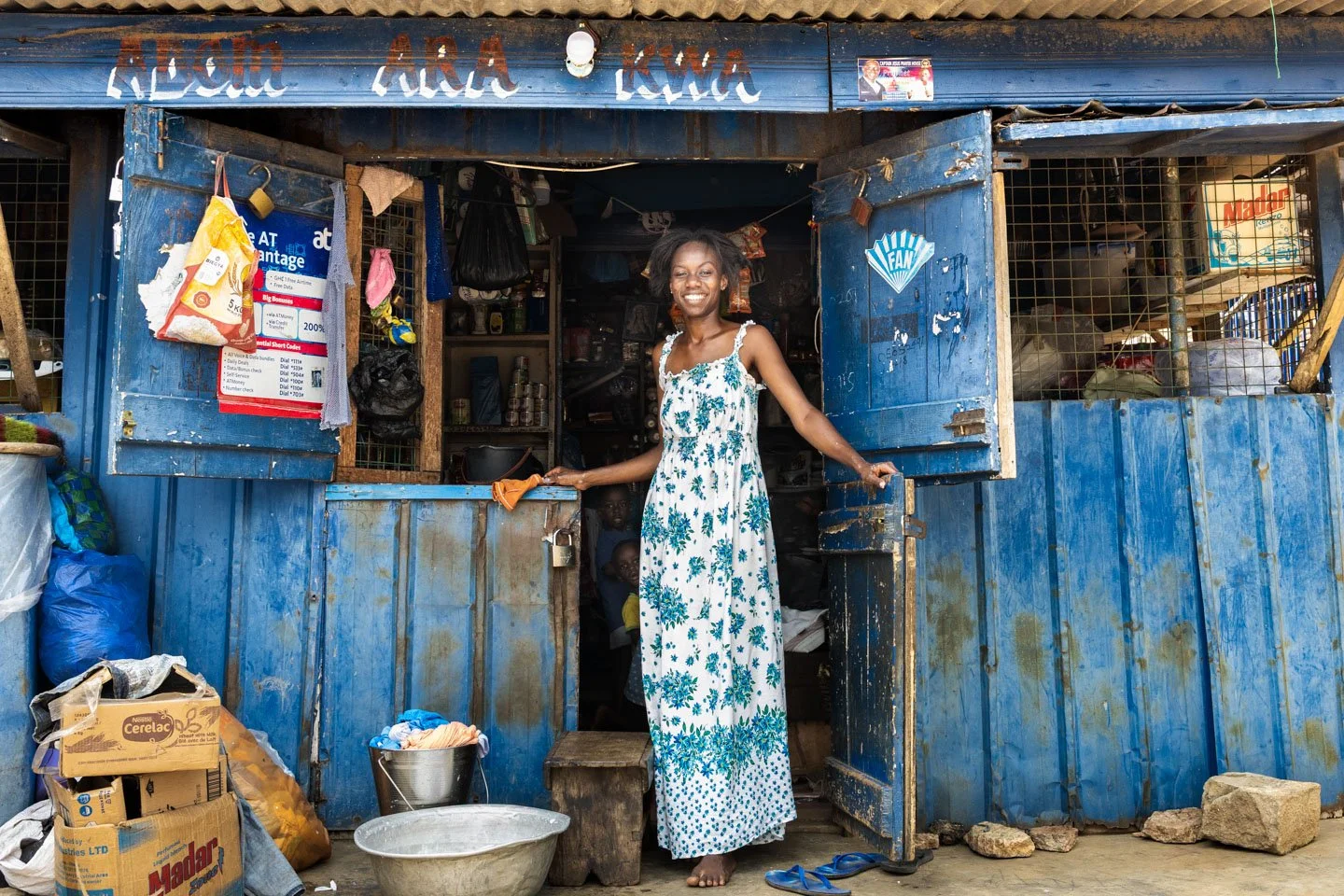
Accra, Ghana
When this woman is not in uniform as an Accra city police officer, she helps out at her mother’s general store. It’s located just inside the police barracks compound where she lives. As a member of the Ghana Police Service she is given the option to live rent-free in the police barracks of the district where she works. The buildings are old and the quarters are tight, but the option provides much needed relief from Accra’s high cost of rent, especially for younger officers on basic pay.
There is, however, a trade-off. The barracks are strategically located near government districts or in high density neighbourhoods where police presence is in greater need. Living rent-free is on the condition that officers remain on 24/7 “standing duty”. A police officer by day and night.
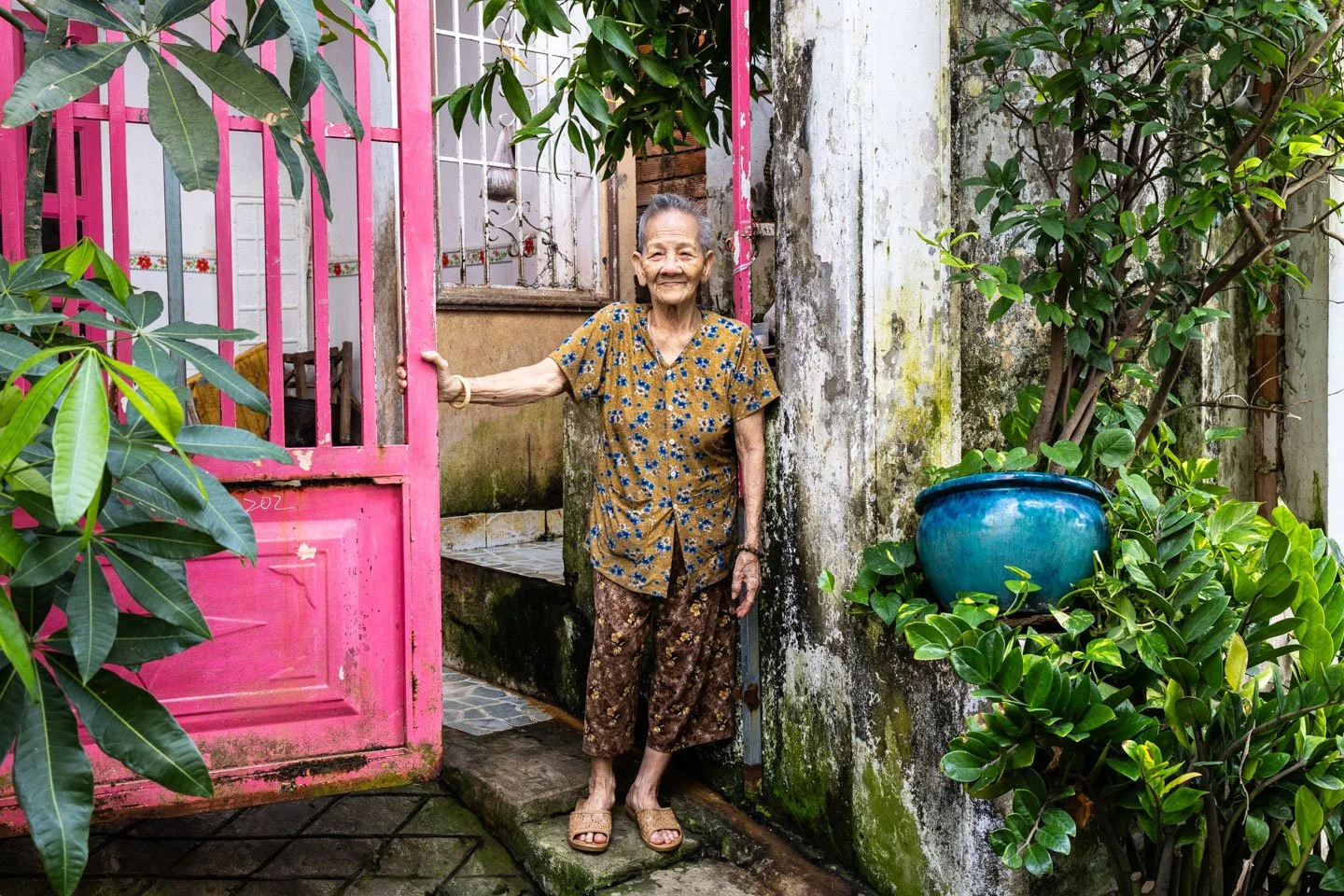
Vinh Long, Vietnam

Harar Region, Ethiopia
This husband and wife and mother-to-be live in a rural village near Mido Ado on the outskirts of the northeastern city of Harar. This is the store they run together. Beside it they are building a new home for their new family. It will be like all the other homes in the village, small and affordable and made not from stone but from wooden sticks woven together and sealed with mud and clay. There will be no running water and electricity will be unreliable, but everything else will be absolutely perfect.

Guatemala City, Guatemala
Before the colonization of Central America in the early 16th century, Guatemala was not itself a nation, nor was El Salvador or Honduras, or any of the Central American countries that exist today. This entire region was a vast tapestry of indigenous people. Mountains were nature’s border lines. The challenging terrain gave rise to hundreds of unique languages and ways of life.
In present-day Guatemala you can see and hear the remains of the many individual cultures that once thrived here. Living in this modern-day, Spanish speaking nation’s capital, this woman continues to speak her indigenous language among family and friends, and every morning when she begins her day she dresses in these traditional colours and patterns of her ancestry. It may seem like little consolation for all that’s been lost, but for her it’s a part of the everyday life that has always belonged here.
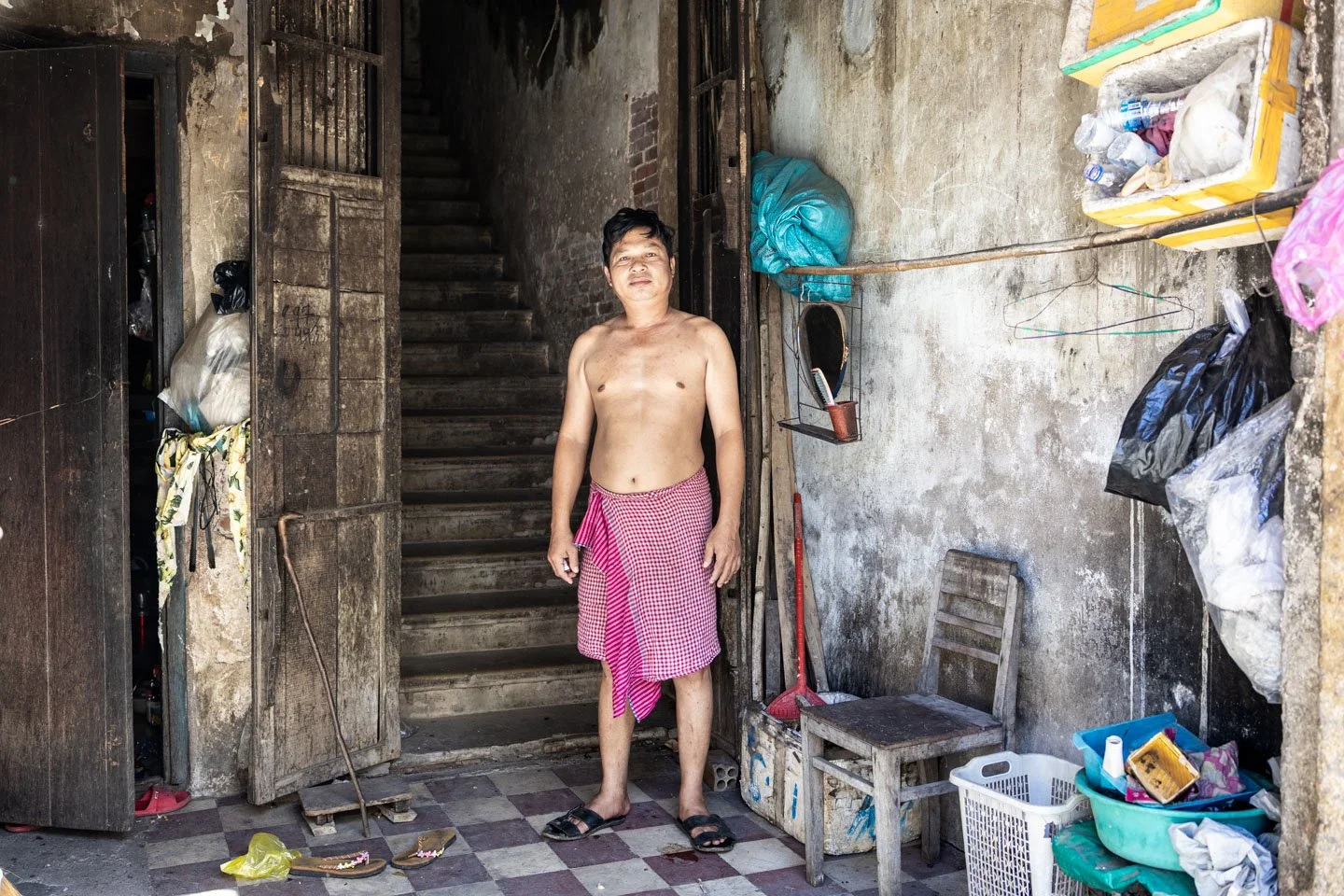
Vinh Long, Vietnam
“I understand more than ever that my photography
is now and always has been about people, even
when no one is there.”
— Annie Tong
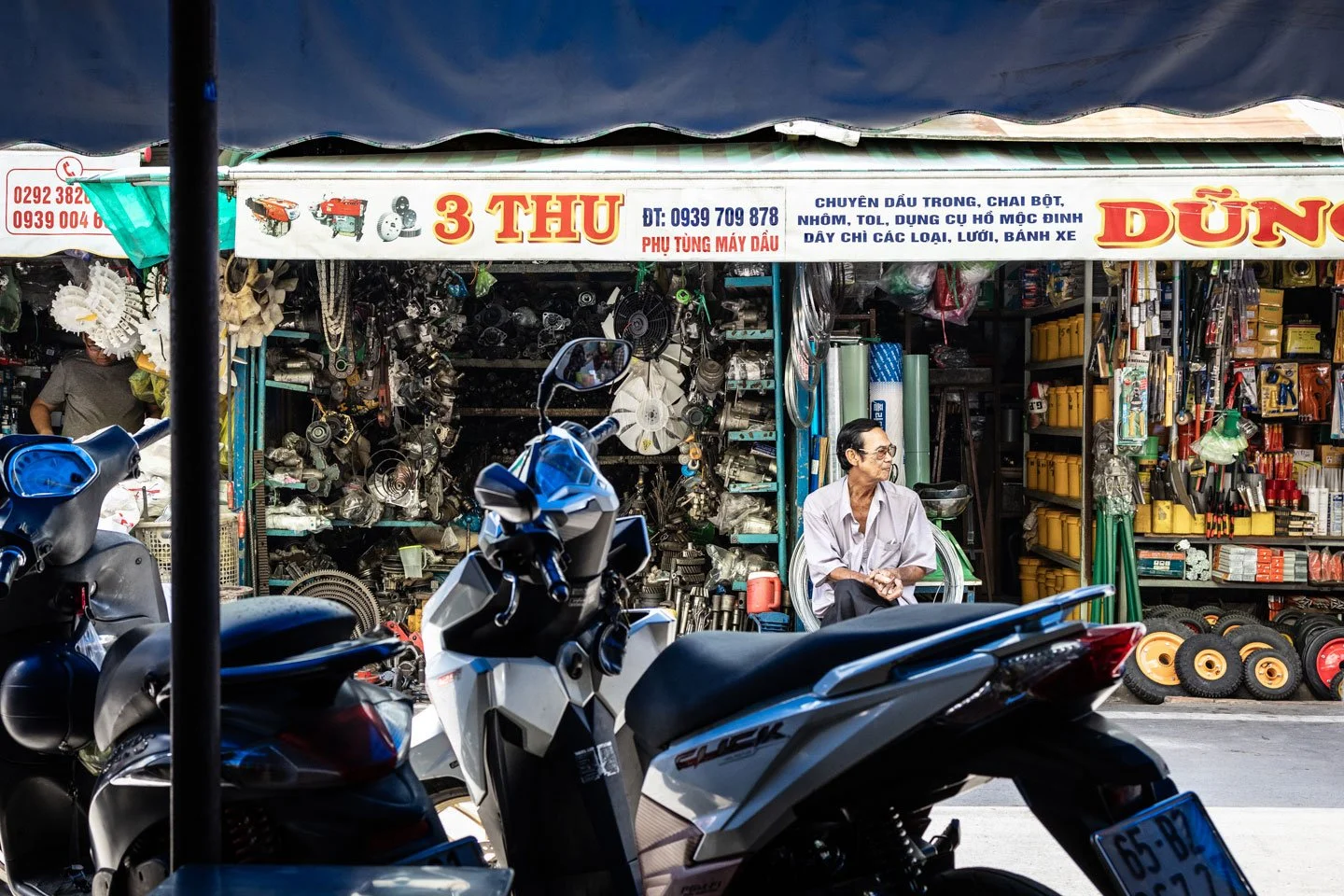
Vĩnh Long,, Vietnam
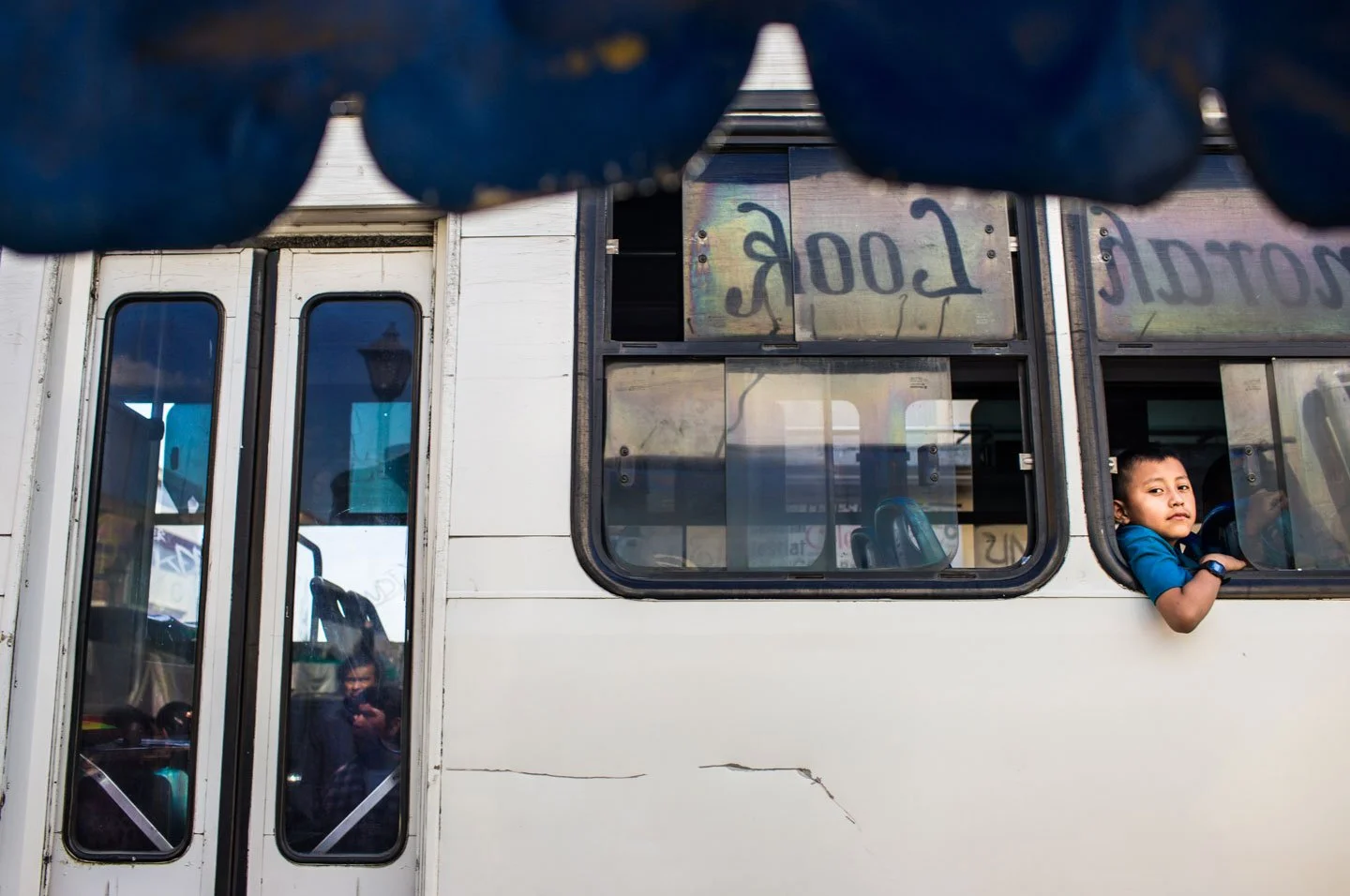
Oaxaca, Mexico
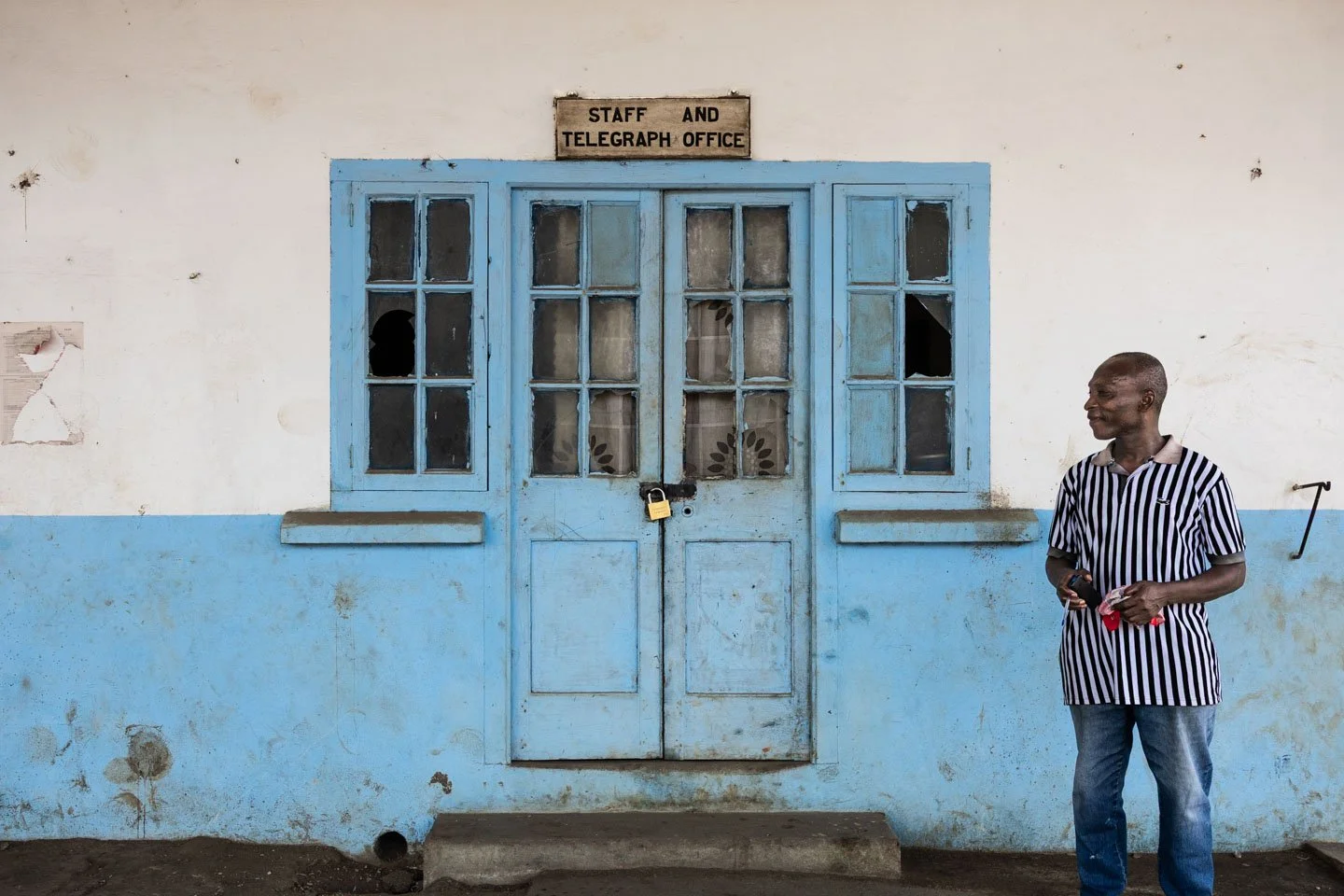
Koforidua, Ghana
This man is standing on what was once a crowded railway platform. It connected his town of Koforidua to the nation’s capital, Accra, in the south, and to Kumasi in the Ashanti region of central Ghana. Koforidua was just one of many towns on the line with a station like this one, once just as crowded.
But it has been over thirty years since the train connected anyone to anywhere. A few years ago, as if to set its demise in stone, government contractors tore up every inch and mile of rail, not to clear the ground for new development, but to sell the steel for scrap, turning the page on what was once a transportation lifeline.
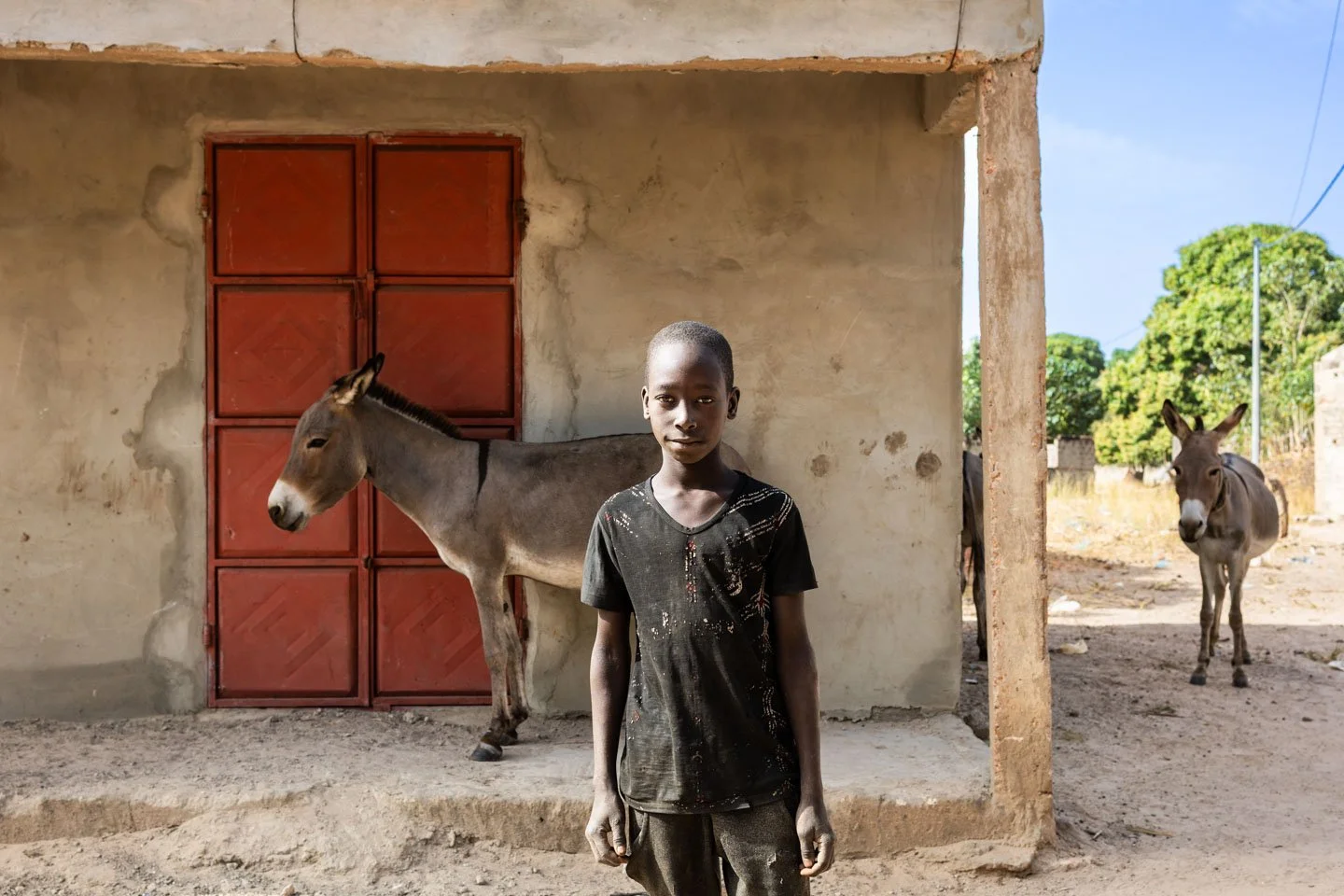
Fass Njaga Choi, Gambia
Gambia is a narrow British colonial carve out from the much larger French colonial Senegal. Meandering along the Gambian river, its land mass extends no further north or south than 50km from the river banks. Life here is about water. How near or far you are from the river determines your prosperity: a fishing livelihood, crop irrigation, transportation and trade.
This small village of Fass Njaga Choi is in the north of the country, near the Senegalese border and just 15 kilometres from the mouth of the Gambian river. It is a hot, dry, semi-arid climate that receives little rain and relies heavily on well water for its livelihood. In contrast, the river villages just a short bus ride away are a tropical savanna climate with cooler temperatures and a long, nourishing rainy season.