About the Photographer, Annie Tong
The Everyday of Life has become the sole focus of Annie's photography practice. Every trip she takes and every person she gets to know, the world feels a little bit smaller and her work on this project a little more important.
The Everyday of Life’s entire body of work is the photography of Annie Tong. It is an ever-growing project whose seeds were first planted in southern India in 2014 and scattered again two years later in mountains of Guatemala. With a genuine interest in each of these countries, Annie’s goal was to experiment with street photography in new and unfamiliar places. As it turns out, she spend most of her time visiting with people in the quiet neighbourhoods where they lived. Her photographs were nearly all portraits.
Today, a decade later, The Everyday of Life has become the sole focus of Annie’s practice. In late 2019 she resigned as lead photographer at Sinai Health. Her approach to healthcare photography was innovative in its focus on patients and caregivers trying to live ordinary lives under otherwise extraordinary circumstances. A full year of her photographs were exhibited at Toronto’s Contact Photography Festival. And yet, in January 2020 she packed her camera and belongings into 32-liter backpack and set out for two-years of travel. Her goal was not just to see the world but to be in it—to find and feel the beauty of ordinary life in places we all too often forget to look.
Within two months, while Annie was in the northern Bangladesh city of Bogura, the Covid pandemic descended upon us. Urged by family and friends to return to Canada while she could, Annie chose to stay, and the whole nation helped her find her way—a midnight ride to Dhaka city before lockdown kicked in, and a small apartment waiting for her to call home. She never looked back.
Annie travels to places where life is often hard to imagine beyond what we read in the news, and then she tries to feel at home there. Only then will these photographs be able to show us anything.
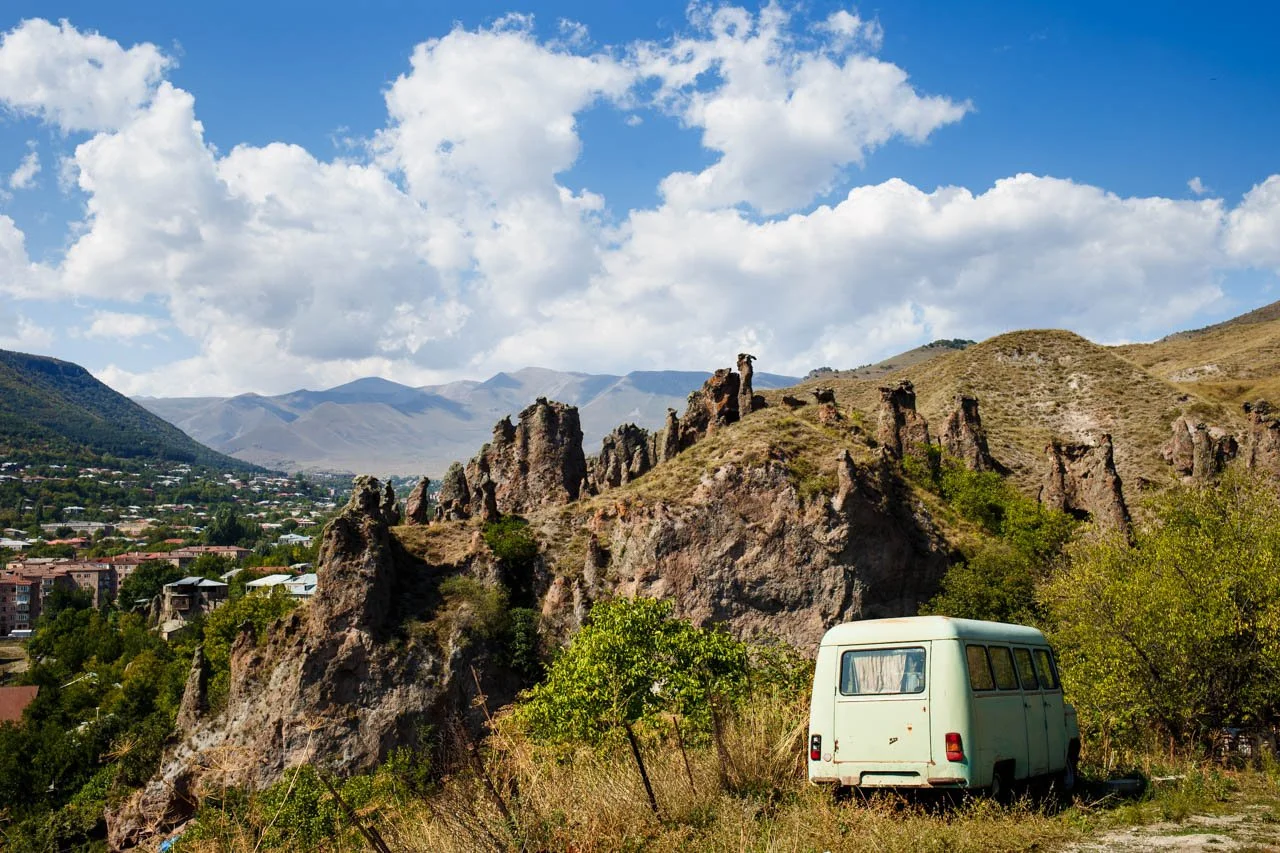
It was seven months in Bangladesh before Albania opened its doors to her. She travelled the Balkan states and northward to Georgia, Armenia and Azerbaijan. Everyone, it seemed, was in recovery — happy to have made it through the pandemic and back in love with ordinary life. Photography, for Annie and all the people she photographed, had become a way to celebrate.
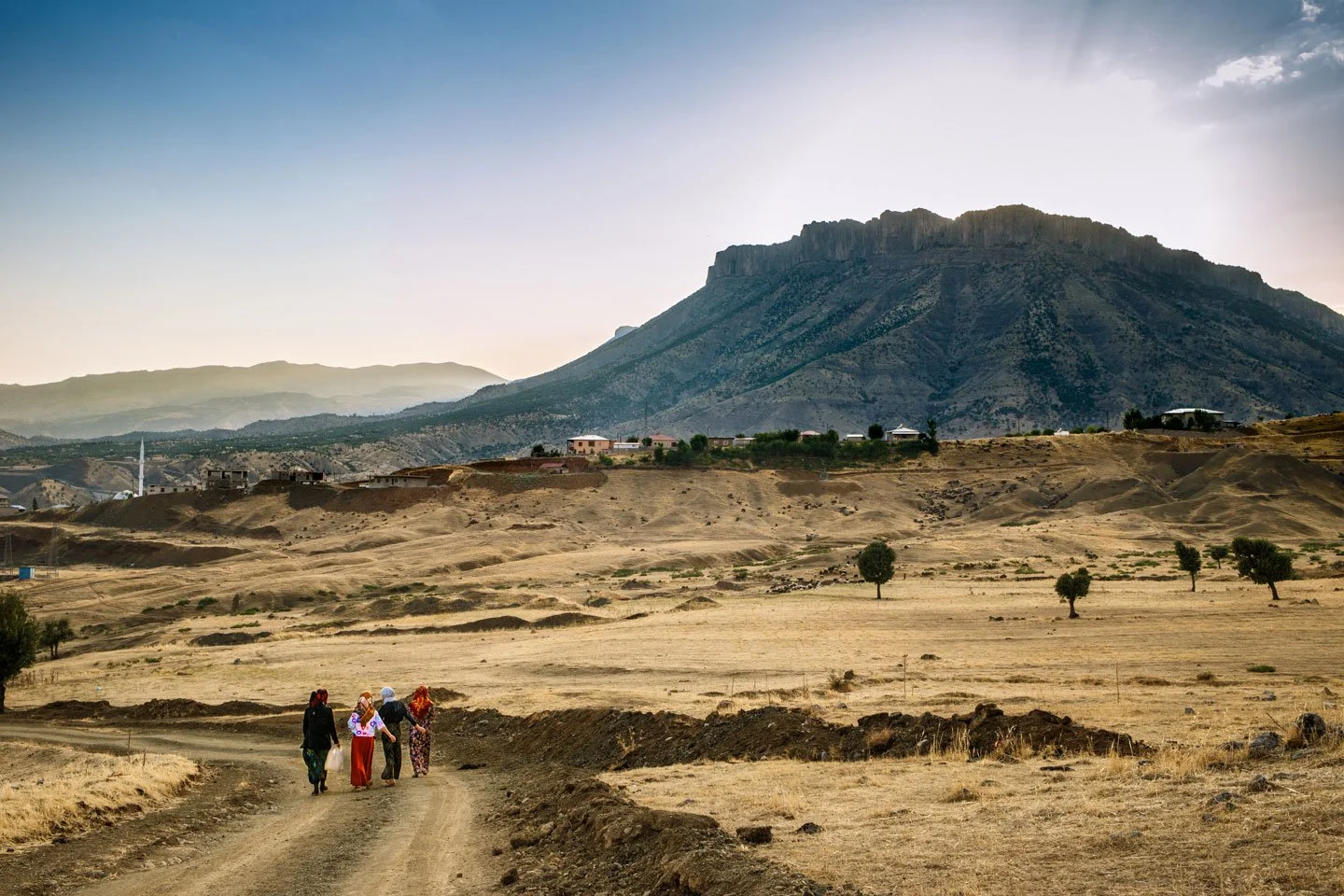
Eight months in Türkiye carried her all the way to the eastern region of Hakkâri at the boarder of Iraq and Iran. Here she learned of Kurdish life and the Kurdish people, building friendships that continue to this day. Three months in Chile was all the time she had left before the two years were up, but it was enough to enjoy life in the smallest of towns along the coast from Santiago to Arica before returning home to catch her breath.
Two years was just the beginning. Every year since then, Annie has spent between three and six months on the road. She travels to places where life is often hard to imagine beyond what we read in the news, and then she tries to feel at home there. Only then will her photographs be able to show us anything. For Annie, with every trip she takes and every person she gets to know, the world feels a little bit smaller and her work on this project a little more important.
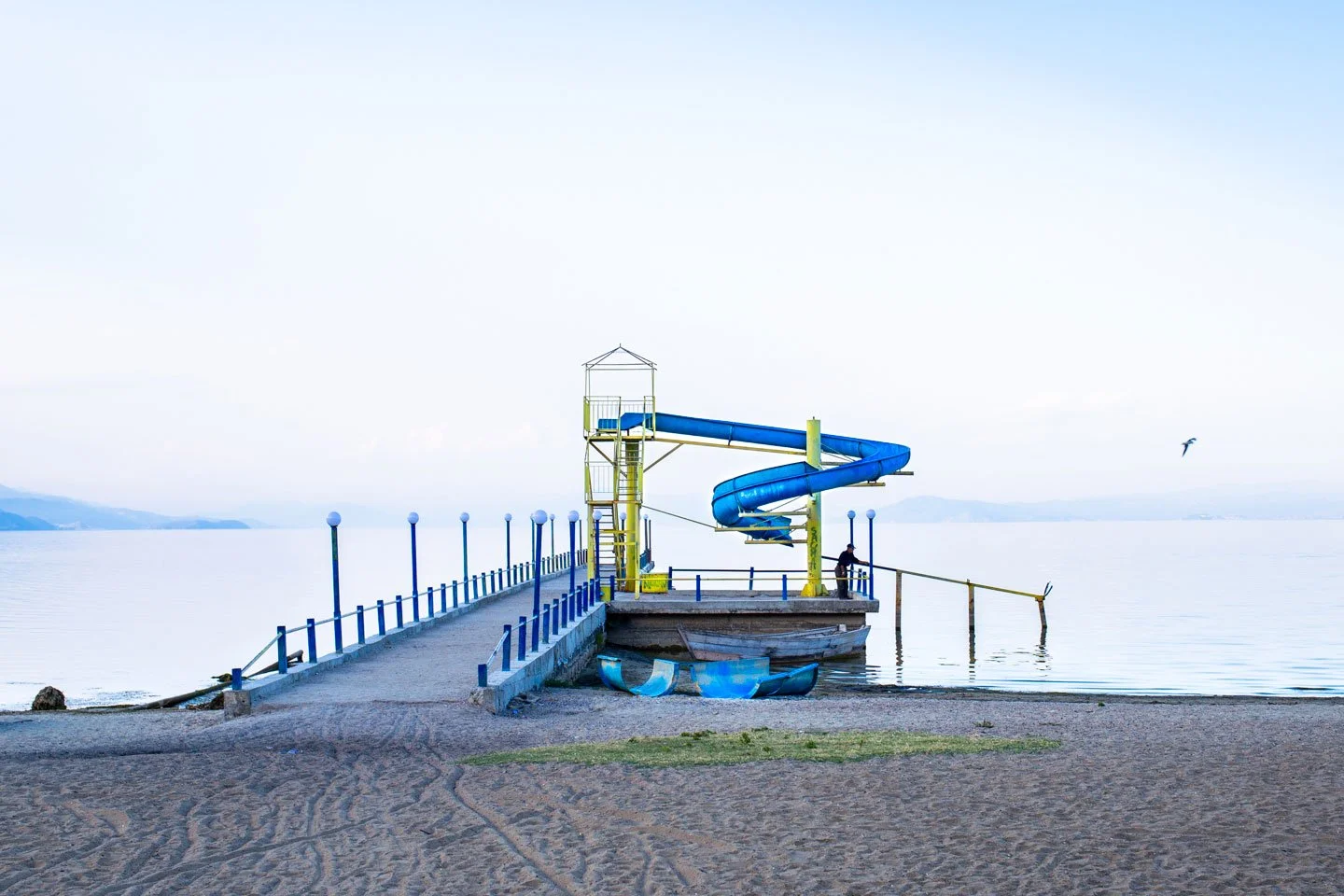
“I understand more than ever that my photography is now and always has been about people, even when no one is there.”
The Julia Margaret Cameron Award
In May of 2023 Annie responded to a submission call for the 20th Annual Julia Margaret Cameron Award for Women Photographers. The photographs she submitted were from an early collection of The Everyday of Life and though her work did not win one of the coveted awards, Annie did receive an honourable mention and was invited to display her photographs in the Awards’ annual exhibition in April 2024 at the FotoNostrum Gallery in Barcelona.
Julia Margaret Cameron was a British photographer who is considered one of the most important portraitists of the 19th century. She is known for her soft-focus close-ups of famous Victorian men and women, for illustrative images depicting characters from mythology, Christianity, and literature, and for sensitive portraits of men, women and children.
A Gallery 44 Solo Exhibition of The Everyday of Life
In the Summer of 2024, The Everyday of Life had its first solo exhibition in the Member’s Gallery at Gallery 44 Centre for Contemporary Photography. While smaller collections of the work have previously been hung in group shows, this was the largest collection of the project’s photography ever displayed in a single exhibition.
Each of the photographs in the exhibition were accompanied by descriptive texts that provide context to each photograph. The texts are based on one-on-one conversations directly with the subject or from time spend and lessons learned from the community of which they are a part. The inclusion of the texts not only increased viewer engagement but created an opportunity for the gallery to address the important topic of ethics in photography.
Photographing in Bangladesh during the Coronavirus Pandemic
If you have read this page from the beginning, you will already know that Annie was in Bangladesh during the 2020 Covid pandemic. There is no point in having a debate about whether or not she should have been there, but it is worth noting that, when she returned to Canada nearly two years later, she had no idea what it was like to live through it with her family and friends back home in Toronto. Not being here with them may be her only regret.
That said, apart from her time in strict lockdown, Annie was able to live in Dhaka for an extended period of time. Looking back at it now, this lengthy stay had a significant impact on how she approached photography for The Everyday of Life. She learned how long it takes to feel at home and for others to feel, at least to some extent, that you belong. Without this connection, photographs are something you take. With it, they’re what you give.
What’s Next?
The Ottawa School of Art has extended an invitation for Annie to exhibit The Everyday of Life at the Orléans Campus Gallery in the summer of 2027. The exhibition will include the broadest collection of photographs to date, including shots from Ghana, Gambia and Senegal, not to mention new photographs from her next, yet to be determined destination.
“When you look hard enough at where you are in life it can sometimes appear as though all the roads lead directly here, but this is very doubtful.”
Some of the most important things that have shaped the way Annie sees and lives in the world, don’t appear on a map. They have often been the least expected turn of events, at the time even seeming the least significant. These four simple things feel more important than they ever did at the time.
Photographer at Sinai Health. I was the photographer at Sinai Health from 2010 to 2019 and could never have imagined that a ‘full-time job’ could be so rewarding and would connect me to so many wonderful, caring people.
sinaihealth.ca
Assistant to Yuri Dojc. I don’t know how I ended up being Yuri’s assistant from 1991 to 1994,
but working with this brilliant photographer has had a lasting impact on my career, not to mention
a lasting friendship to this day.
yuridojc.com
Gallery 44. I have been an active member of Gallery 44 for the past several years and enjoy the community of photographers who continue to challenge and support one another. G44 is the quintessential artist run centre.
gallery44.org
Sheridan College. Attending Sheridan College in the late 80’s was an important first step in my committing to photography as a profession. (Hello dear friends and classmates. I still have many photos from our time together.)
sheridancollege.ca